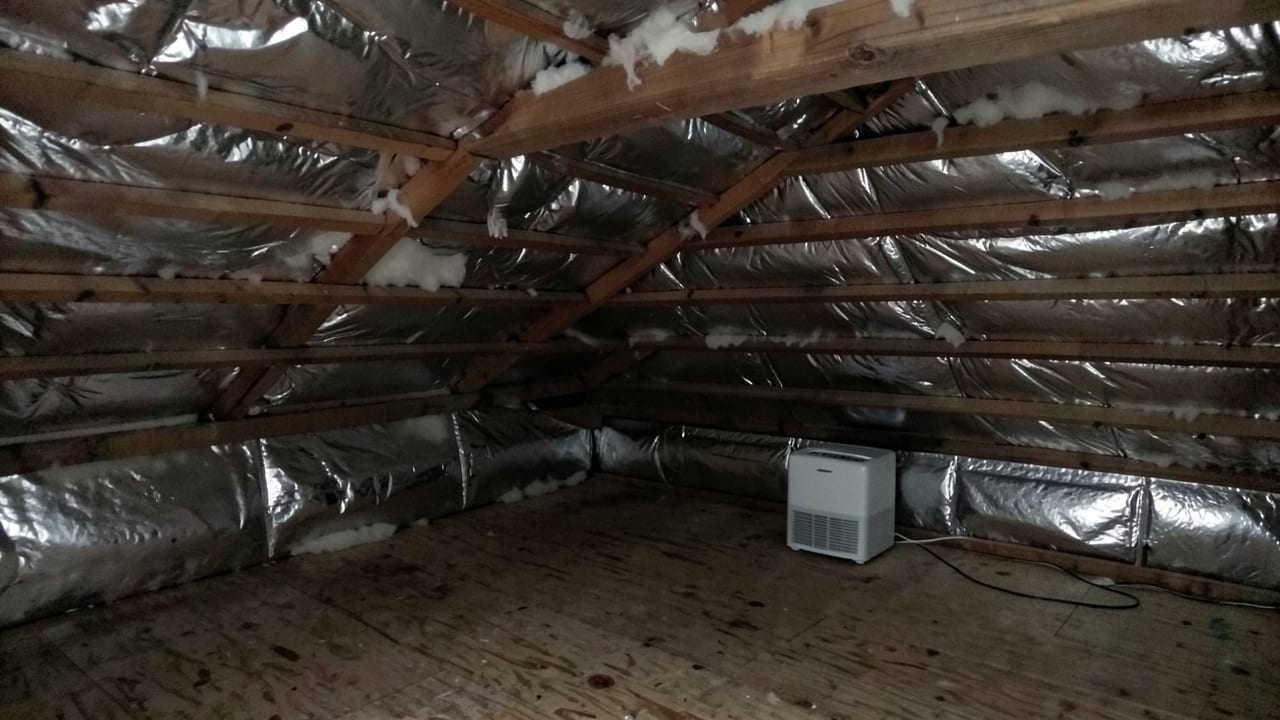
Pre-Winter Mold Prevention
Pre-winter mold prevention involves inspection and treatment to stop mold growth before cold weather.
As Quincy, MA, temperatures drop and humidity shifts, moisture trapped in attics, basements, and crawl spaces can fuel mold growth before winter sets in. Pre-winter mold prevention focuses on sealing leaks, improving airflow, and treating vulnerable surfaces to stop hidden problems before they spread.
This proactive approach helps homeowners avoid costly remediation and health concerns later in the season.
We also handle School Mold Remediation and Gym Mold Remediation for Quincy properties.
When to act: signs mold prevention is needed
Mold often starts small but spreads quickly in damp, poorly ventilated areas. Look for visible patches larger than a few square feet, recurring growth after cleaning, or a persistent musty odor—especially in windowless rooms or near plumbing.
These are clear indicators that moisture levels are already too high for DIY fixes.
Hidden growth behind walls or under flooring often reveals itself through HVAC-related smells or condensation on cold surfaces. Addressing these issues before winter locks in moisture can prevent mold from taking hold during colder months when ventilation is reduced.
Key Warning Signs
- Mold covering more than a small, isolated patch (typically over 25 sq. ft. of contiguous growth)
- Recurring mold in the same spot after cleaning, suggesting an unresolved moisture source
- A musty smell with no visible mold, often indicating hidden growth in walls, ducts, or subfloors
- Condensation on windows, pipes, or walls, or damp spots that don’t dry within 24 hours
- Visible mold in multiple rooms or spreading across large surfaces like ceilings or basements
What affects cost and scope
Pre-winter mold prevention costs depend on the size of the affected area, the type of surfaces involved, and whether hidden moisture sources need to be addressed. Containment, HEPA filtration, and clearance testing add to the upfront cost but are critical to ensuring the work is done thoroughly.
Quincy’s older homes often have unique challenges like poor insulation, outdated ventilation, or foundation issues that can complicate prevention work. A detailed inspection helps identify these factors before pricing is finalized.
Why timing matters before winter
Fall is the ideal time to address mold risks because cooler weather reduces ventilation, and moisture from outdoor leaks or indoor humidity has less opportunity to evaporate. Sealing gaps, improving airflow, and treating surfaces before temperatures drop helps prevent mold from establishing itself during the winter months.
Preventive work now can also reduce the need for more extensive (and costly) remediation later. Many homeowners in Quincy wait until they see visible mold, but by then, the problem may have spread to hidden areas like ductwork or subfloors.
Skipping containment during remediation can spread spores to unaffected areas. Using non-HEPA equipment recirculates mold particles instead of capturing them. Fixing only the visible mold without addressing the moisture source almost always leads to regrowth within months.
How pre-winter mold prevention works
This process targets moisture-prone areas before cold weather traps humidity indoors.
- 1Inspection and Moisture Source Identification
A thorough check for leaks, poor ventilation, or grading issues identifies where moisture is entering. Infrared scanning or moisture meters may be used to pinpoint hidden dampness in walls or subfloors.
- 2Containment Setup
Plastic sheeting and negative-air machines seal the work area to prevent spores from spreading to other parts of the home during removal or treatment.
- 3Material Removal or Treatment
Porous materials like drywall or insulation that absorb mold are cut out and disposed of in sealed bags. Non-porous surfaces are scrubbed with antimicrobial treatments and dried thoroughly.
- 4Structural Drying and Air Filtration
Industrial dehumidifiers and HEPA air scrubbers run continuously to lower humidity and capture airborne spores, ensuring the space is dry and free of lingering contamination before containment is removed.
- 5Clearance Testing
An independent lab tests air or surfaces to confirm mold levels are back to normal before the area is considered complete. This step verifies the work was effective and no hidden growth remains.
Frequently asked questions
Can I handle small mold patches myself, or should I call a professional?
Small, isolated patches (under 25 sq. ft.) can often be cleaned with vinegar or detergent, but if the mold keeps coming back or spreads, it’s a sign of a deeper moisture issue. Professional prevention ensures the source is fixed and spores aren’t spread during cleanup.
How do I know if my home’s humidity is contributing to mold growth?
Use a hygrometer to check humidity levels—ideal indoor humidity is 30–50%. Condensation on windows, damp basements, or a musty smell are other signs. Running a dehumidifier or improving airflow in problem areas can help before winter.
Will sealing leaks and improving ventilation really prevent mold long-term?
Sealing leaks and improving airflow reduce moisture buildup, which is the primary cause of mold. However, results depend on addressing all moisture sources and maintaining proper ventilation. Regular checks for new leaks or dampness help keep prevention effective.
Do I need clearance testing after mold prevention work?
Clearance testing confirms mold levels are back to normal and no hidden growth remains. While not always required, it’s the only way to verify the work was thorough, especially in larger or recurring cases.
Where Quincy sits, and what the Census lists nearby
Quincy sits in Massachusetts, and the closest places listed in the U.S. Census Gazetteer are Braintree Town (3.8 miles south), Milton (4 miles west), Weymouth Town (5 miles southeast), Boston (5.4 miles north). Within 25 miles of Quincy the same source lists 75 distinct incorporated places and census-designated places.
Those figures matter for pre-winter mold prevention because they are straight-line distances between Census coordinate points: road mileage between Quincy and Braintree Town runs longer than the 3.8 miles shown, which is why quotes for the same job differ between towns that look close together on a map.
Source: U.S. Census Bureau Gazetteer.
See Chelsea, MA for more, or take a look at what we cover for Quincy properties on a single page for our complete lineup.
Ready to get started?
Talk to a local mold remediation pro in Quincy — get a written quote.
Other Mold Remediation Services in Quincy

School Mold Remediation in Quincy, MA
Professional mold removal and remediation in schools to ensure a safe, healthy environment.
Learn More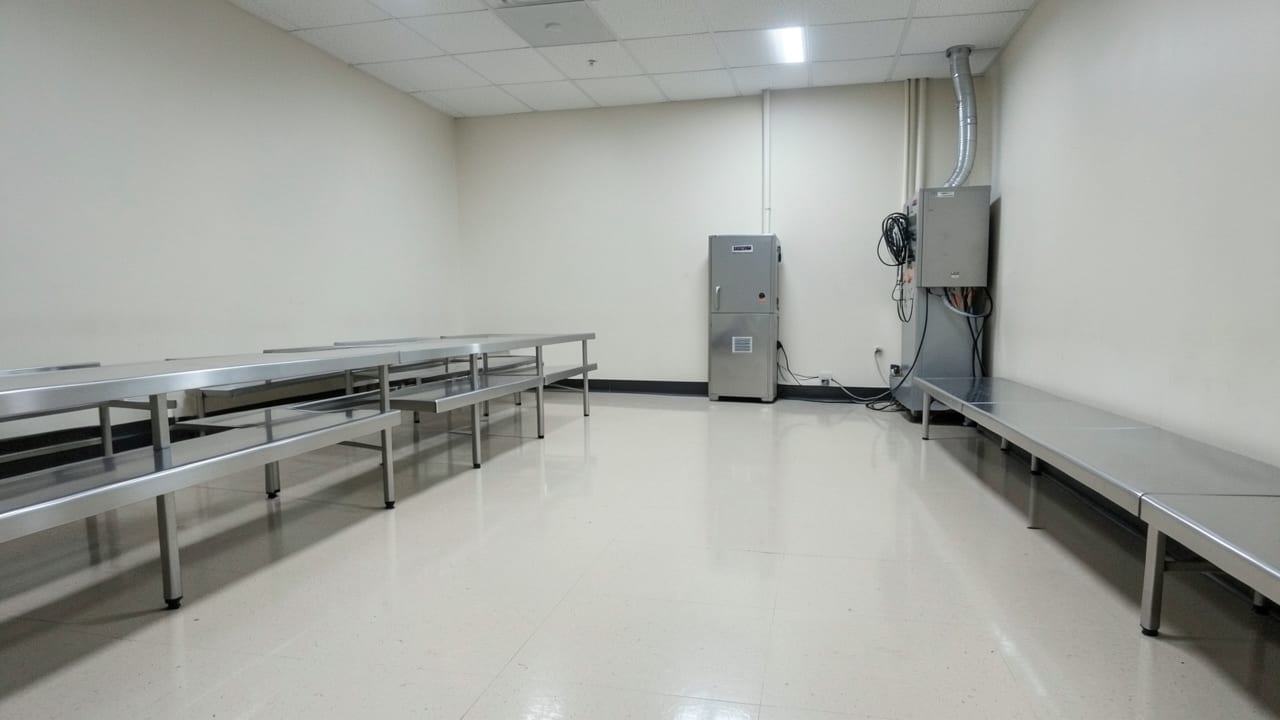
Gym Mold Remediation in Quincy, MA
Professional removal and treatment of mold in gyms to restore safe, clean environments.
Learn More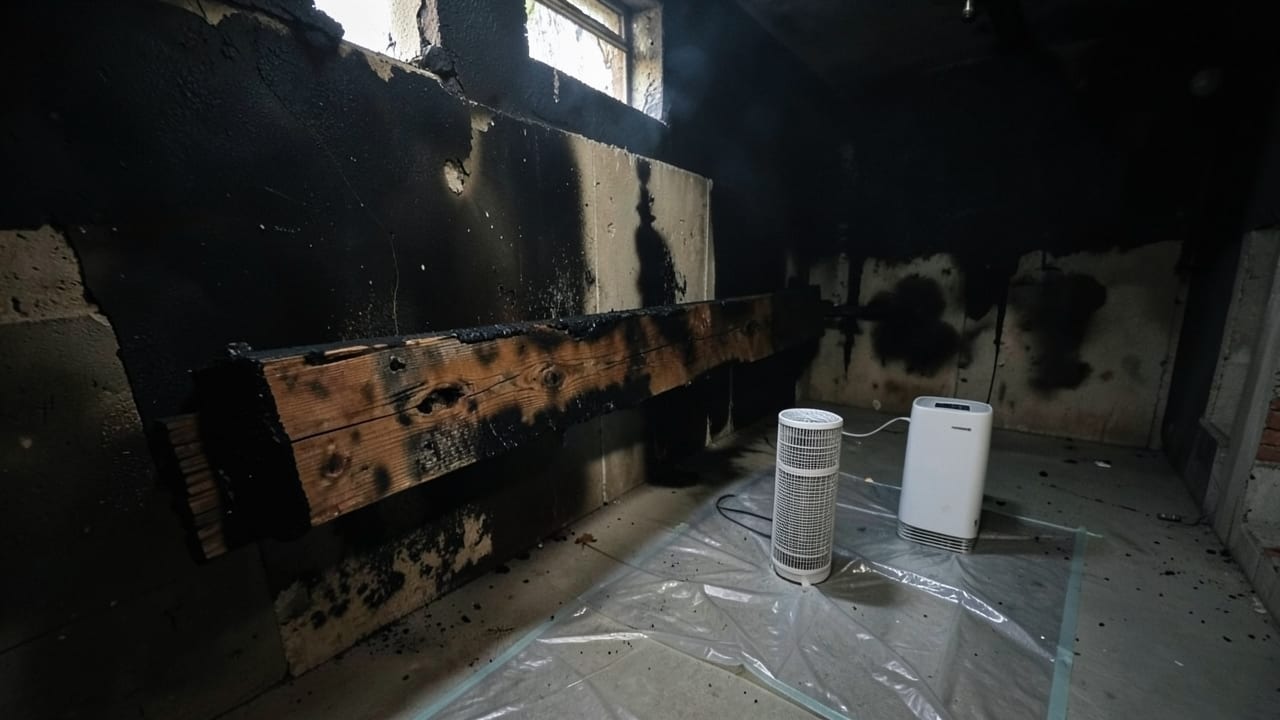
Fire Smoke Mold Remediation in Quincy, MA
Professional cleanup and restoration of fire, smoke, and mold damage in homes.
Learn More
Pet Urine Mold Treatment in Quincy, MA
Professional removal of mold caused by pet urine in homes, including assessment and treatment.
Learn More
Salt Air Mold Remediation in Quincy, MA
Professional mold assessment, containment, removal, and prevention in affected areas of the home.
Learn More
Pest Infestation Mold Remediation in Quincy, MA
Professional mold removal and remediation for pest-related infestations in homes.
Learn MoreCommon Questions About Mold Remediation in Quincy
Everything you need to know about mold remediation services in Quincy
How much does Pre-Winter Mold Prevention typically cost in Quincy, MA?
Why does Quincy, MA's humidity make mold a bigger risk than in drier regions?
Does homeowners insurance typically cover mold remediation?
Is black mold actually more dangerous than other mold types?
How long does a typical mold remediation job take?
Is it safe to stay in the home during mold remediation?
Need Mold Remediation in Quincy?
Connect with local providers in Quincy for a detailed quote.
⏰ We answer your call • Serving all of Quincy and surrounding areas