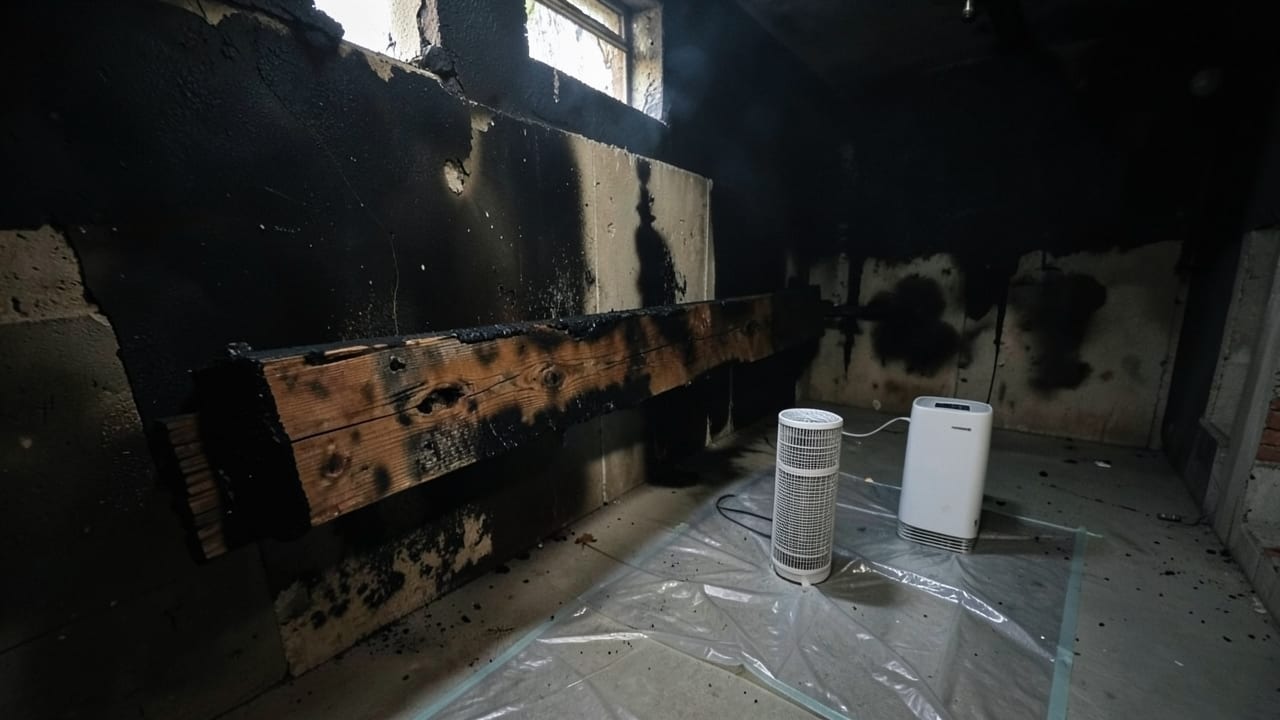
Fire Smoke Mold Remediation
Professional cleanup and restoration of fire, smoke, and mold damage in homes.
When fire, smoke, or mold damage threatens your Quincy home, professional remediation restores safety and livability by removing contaminants, sanitizing surfaces, and fixing moisture sources. Unlike surface cleaning, this work involves containment, HEPA filtration, and structural drying to prevent hidden regrowth.
Massachusetts regulations require licensed contractors for jobs over $1,000, ensuring proper techniques and consumer protections are in place.
We also handle Spring Mold Inspection and Move-In Mold Assessment for Quincy properties.
When is remediation needed?
Mold or smoke damage often starts small but can spread quickly if ignored. Look for patches larger than a few square feet, persistent musty odors, or recurring growth after cleaning.
In Quincy, windowless rooms, basements, and areas near leaks are high-risk zones where moisture fuels regrowth. A smell that worsens when your HVAC runs may indicate hidden mold in ductwork.
Fire damage adds complexity: soot can stain porous materials, and firefighting water may trigger mold within days. If walls, ceilings, or carpets show discoloration, warping, or a gritty texture, professional assessment is critical.
Without containment, spores or smoke particles can circulate through your entire home, making the problem larger and harder to resolve.
Signs Your Home Needs Remediation
- Mold covering more than 25 contiguous square feet (a common threshold for professional work)
- Musty odors with no visible source, especially in windowless rooms or near plumbing
- Recurring mold growth after multiple cleanings, indicating an unresolved moisture issue
- Visible soot stains or smoke residue on walls, ceilings, or belongings after a fire
- Warping, bubbling, or discoloration on drywall, wood, or carpet padding
What affects cost and scope?
The size of the affected area, the type of materials involved, and whether moisture sources are fixed all influence pricing. In Quincy, fire and smoke cleanup for a single room typically ranges from $240 to $1,440, while mold remediation is priced per square foot or by the room.
Hidden damage—like mold behind walls or in HVAC systems—can increase costs if discovered during work.
Containment, HEPA filtration, and clearance testing are standard but may be priced separately. Always confirm whether a quote includes inspection, removal, drying, and third-party verification. Vague estimates or bids missing key steps can lead to unexpected expenses later.
Why containment and testing matter
Containment—using plastic sheeting and negative-air machines—prevents spores from spreading to unaffected areas during removal. Without it, a small job can quickly become a full-house contamination. HEPA air scrubbers and vacuums capture spores that standard equipment would recirculate, reducing the risk of regrowth.
Clearance testing by an independent lab confirms spore levels return to normal before containment is removed. Skipping this step leaves no proof the work was fully effective. In Massachusetts, mold remediation over $1,000 requires a Home Improvement Contractor (HIC) registration, ensuring the crew follows state consumer-protection rules.
Using non-HEPA equipment recirculates spores instead of capturing them. Paying upfront without a written scope leaves no recourse if work is incomplete. Signing a contract during the inspection visit may skip bid comparisons. Always verify the contractor’s HIC registration for jobs over $1,000.
How fire smoke mold remediation works
Professional remediation follows a structured process to safely remove contaminants and prevent regrowth.
- 1Containment Setup
Plastic sheeting and negative-air machines seal the work area to trap airborne spores. This prevents contamination from spreading to hallways, HVAC systems, or other rooms during removal.
- 2Material Removal or Cleaning
Porous materials like drywall and carpet padding—absorbed with mold—are cut out and bagged. Non-porous surfaces like tile or framing are scrubbed and treated to kill remaining spores.
- 3HEPA Filtration and Drying
HEPA air scrubbers run continuously to capture spores, while industrial dehumidifiers and air movers dry structural materials to normal moisture levels. This step is critical to stop mold from returning.
- 4Clearance Testing
An independent lab tests air or surface samples to confirm spore counts are back to normal. Results determine whether containment can be removed and the area is safe to reoccupy.
- 5Moisture Source Fix
Repairing leaks, improving airflow, or adjusting grading outside the home addresses the root cause. Without this, treated areas may regrow mold within months.
Frequently asked questions
Can I clean small mold patches myself, or should I call a professional?
Small, isolated patches (under 25 square feet) can often be cleaned with detergent and water, but hidden moisture or porous materials may require professional removal. If mold keeps returning or you smell it without seeing it, call a contractor to assess containment needs.
How long does the remediation process take?
Containment and removal can take 1–3 days for a single room, with drying and testing adding another 24–48 hours. Complex cases—like mold in walls or ductwork—may take longer. The timeline depends on damage size and moisture levels.
Will my insurance cover fire/smoke/mold remediation?
Most homeowners’ policies cover fire and smoke damage, but mold is often excluded unless it stems directly from a covered event (like a burst pipe). Review your policy or contact your agent to confirm coverage before hiring a contractor.
Do I need to leave the house during remediation?
You may be asked to vacate temporarily, especially if containment involves sealing off multiple rooms. The crew will provide guidance based on the scope and safety protocols.
Where Quincy sits, and what the Census lists nearby
Quincy sits in Massachusetts, and the closest places listed in the U.S. Census Gazetteer are Braintree Town (3.8 miles south), Milton (4 miles west), Weymouth Town (5 miles southeast), Boston (5.4 miles north). Within 25 miles of Quincy the same source lists 75 distinct incorporated places and census-designated places.
Those figures matter for fire smoke mold remediation because they are straight-line distances between Census coordinate points: road mileage between Quincy and Braintree Town runs longer than the 3.8 miles shown, which is why quotes for the same job differ between towns that look close together on a map.
Source: U.S. Census Bureau Gazetteer.
See Belmont, MA for more, or explore our full Quincy-area coverage across the area for our complete lineup.
Ready to get started?
Talk to a local mold remediation pro in Quincy — get a written quote.
Other Mold Remediation Services in Quincy
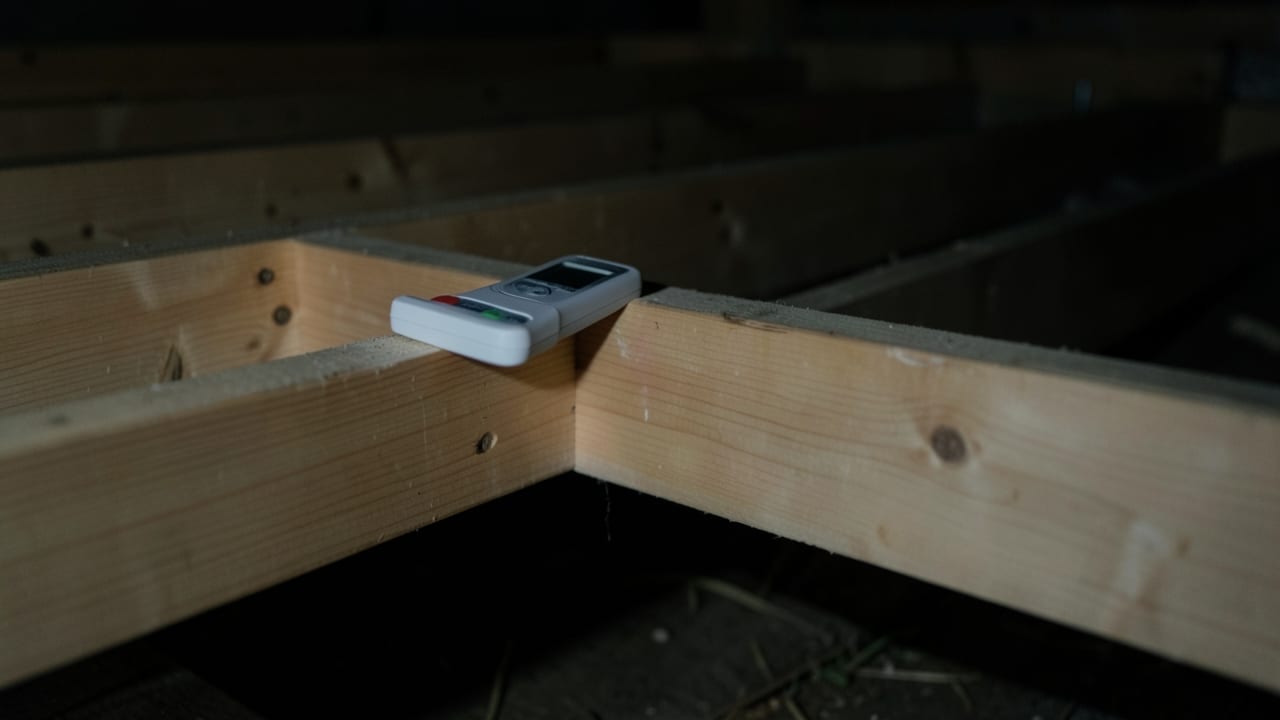
Spring Mold Inspection in Quincy, MA
Professional assessment and identification of mold growth in homes.
Learn More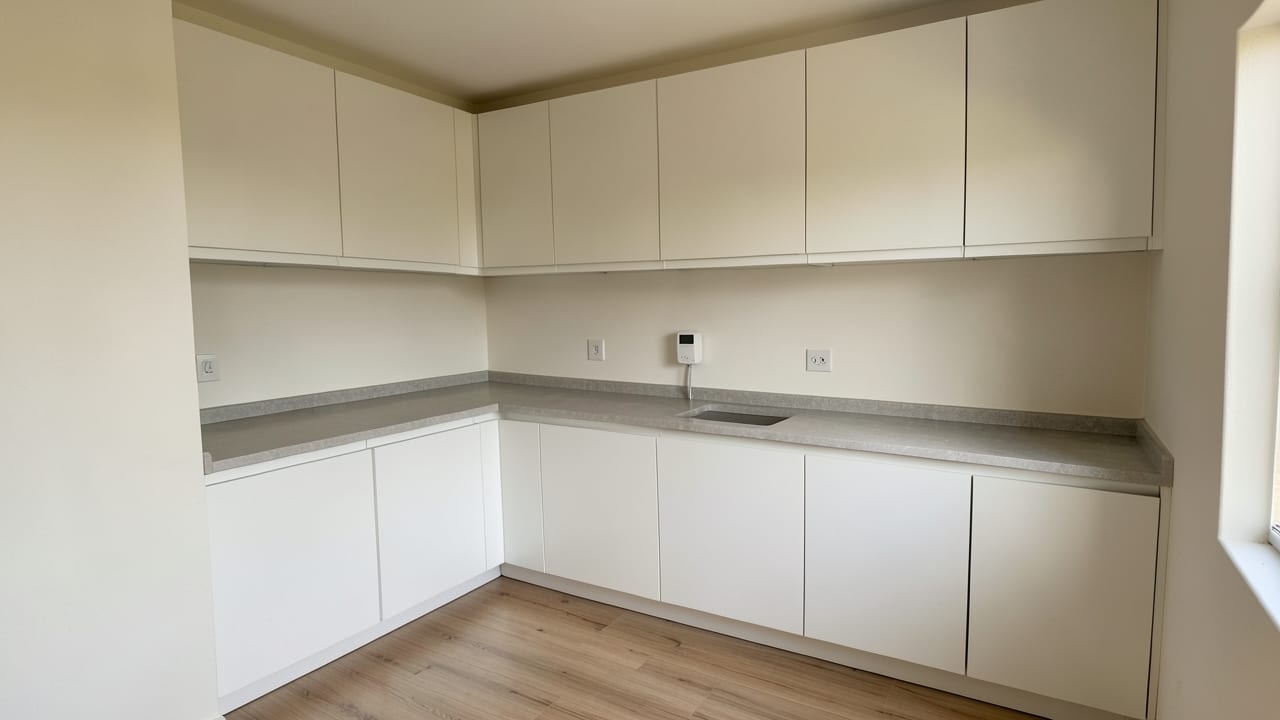
Move-In Mold Assessment in Quincy, MA
Professional inspection and assessment of mold presence before moving into a property.
Learn More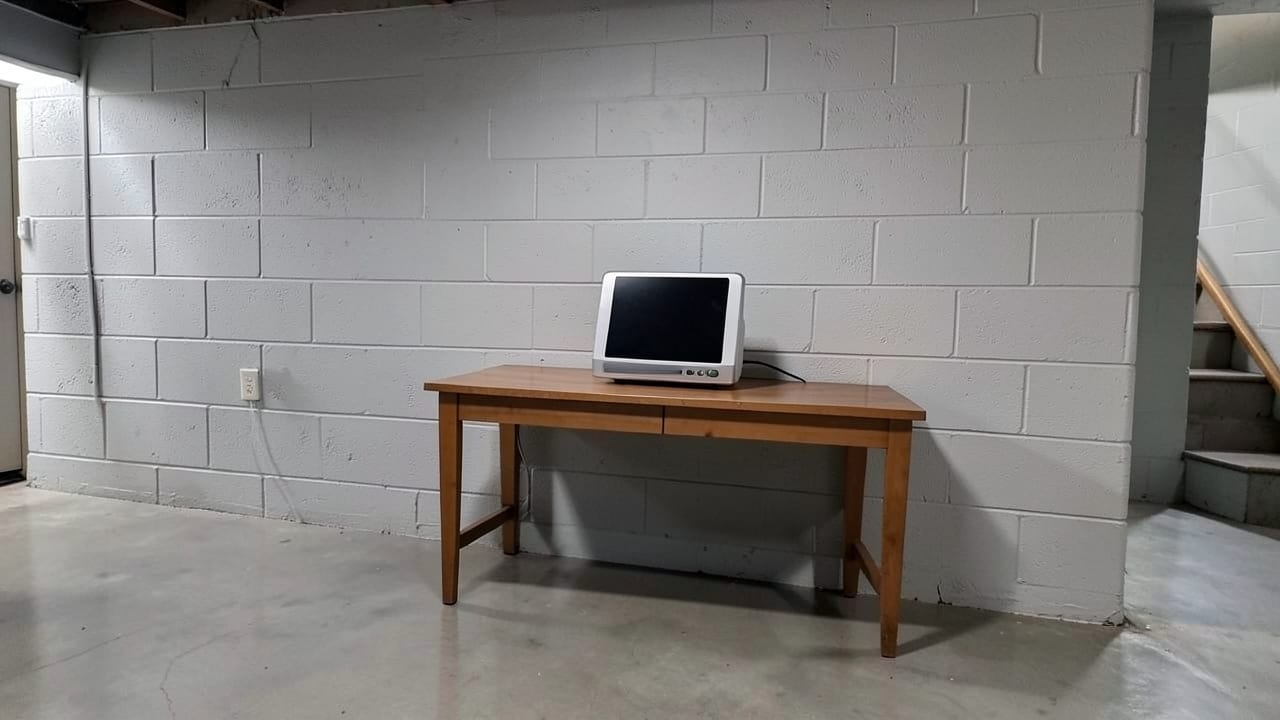
Pre-Sale Mold Clearance in Quincy, MA
Pre-sale mold clearance involves inspection and testing to confirm a property is mold-free before purchase.
Learn More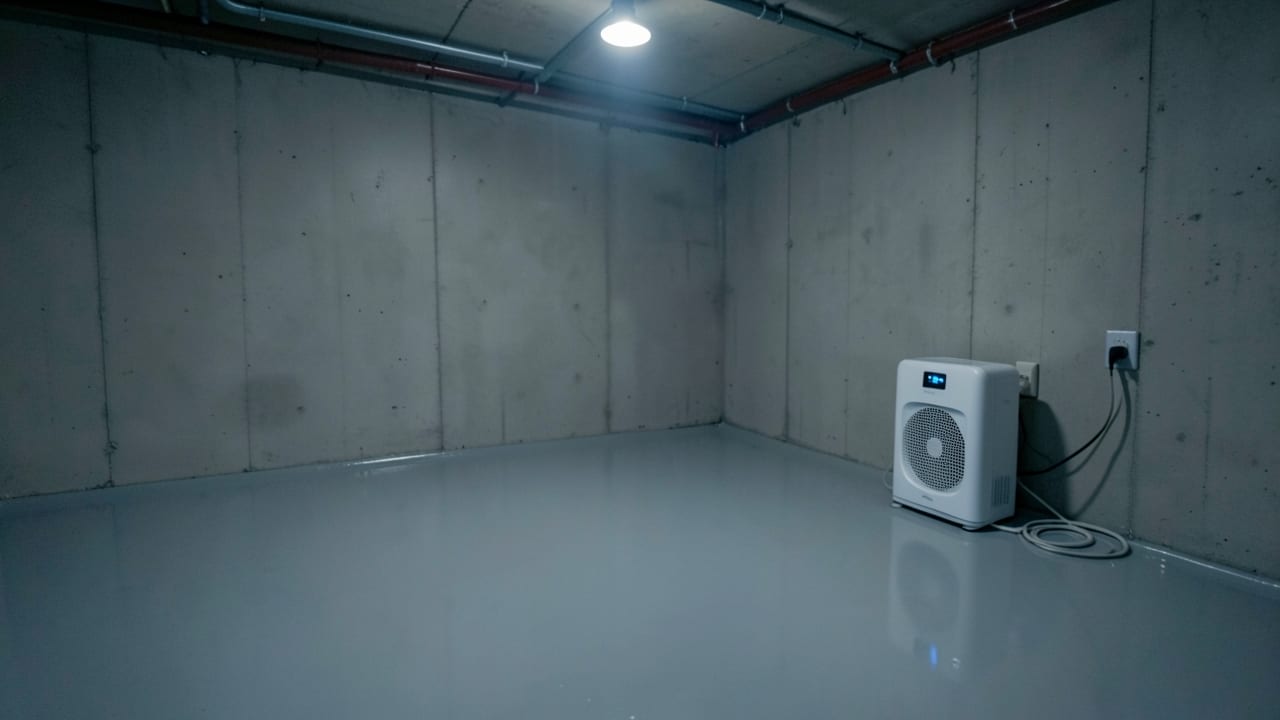
Post-Remediation Sealing in Quincy, MA
Applying protective sealants to surfaces after mold remediation to prevent future growth.
Learn More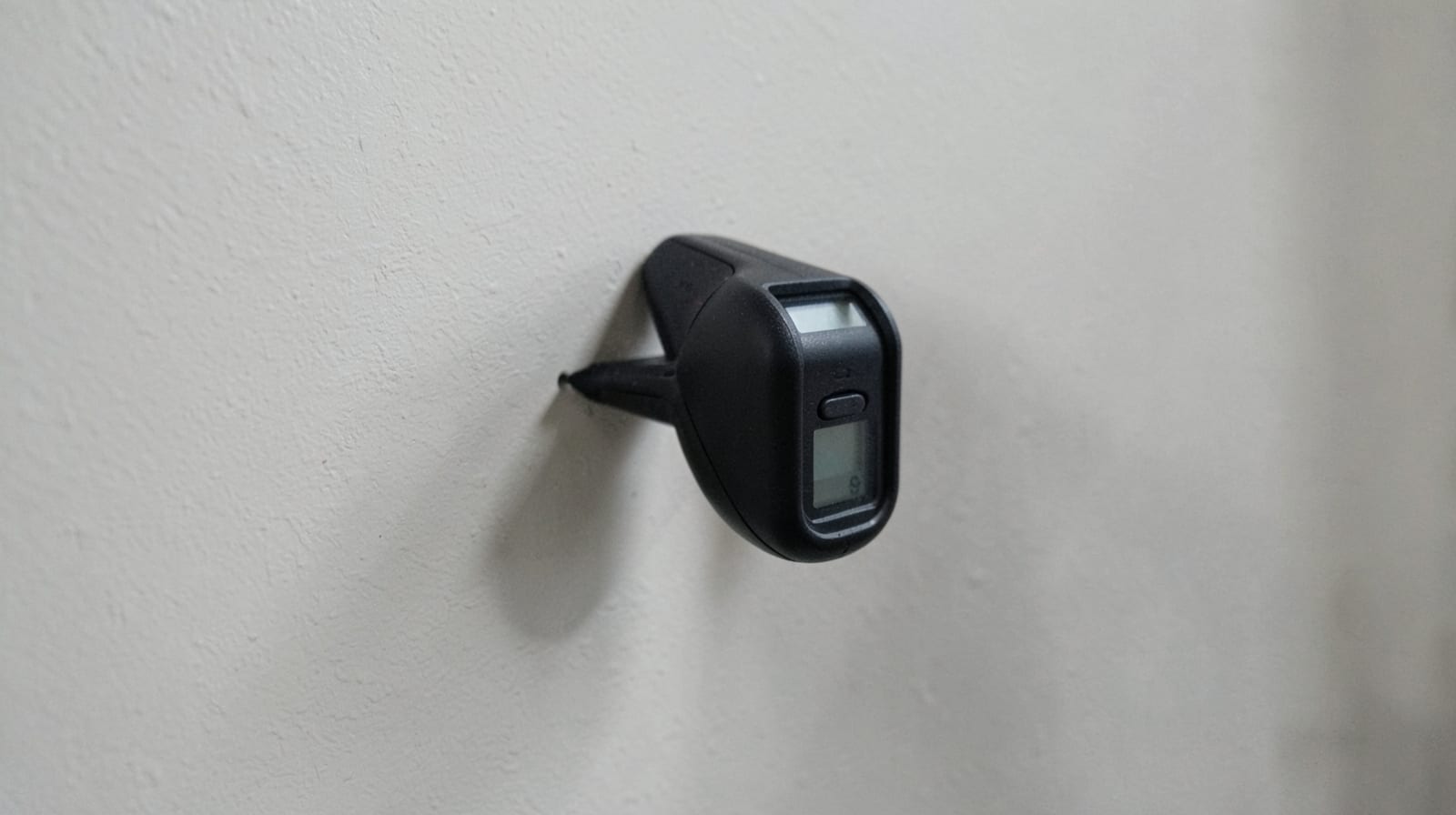
Mold Inspection in Quincy, MA
Mold inspection in Quincy, MA — a visual and moisture-meter assessment that finds the source of growth, not just the visible spot on the wall.
Learn More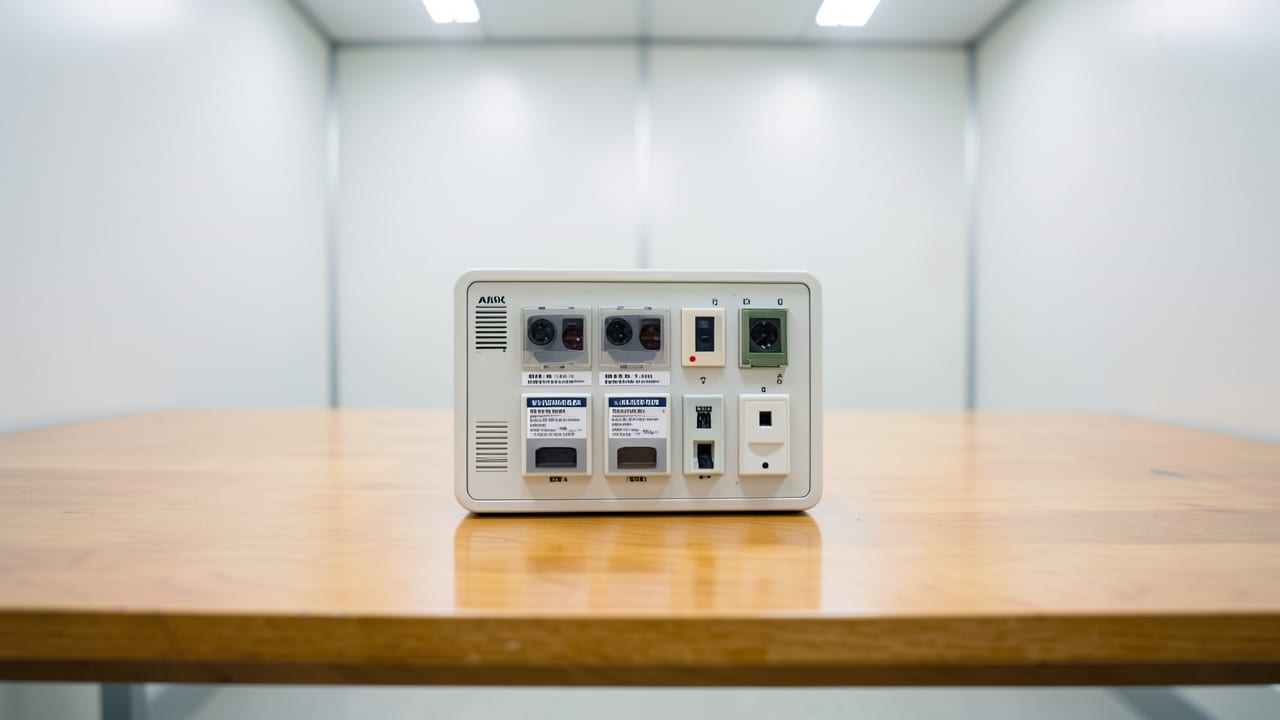
Mold Testing & Air Quality Testing in Quincy, MA
Mold and indoor air quality testing in Quincy, MA — lab-analyzed air and surface samples confirm what's actually growing and whether it's airborne.
Learn MoreCommon Questions About Mold Remediation in Quincy
Everything you need to know about mold remediation services in Quincy
How much does Fire Smoke Mold Remediation typically cost in Quincy, MA?
Why does Quincy, MA's humidity make mold a bigger risk than in drier regions?
How long does a typical mold remediation job take?
Is it safe to stay in the home during mold remediation?
Can small mold problems be handled without hiring anyone?
What's the actual difference between mold removal and mold remediation?
Need Mold Remediation in Quincy?
Connect with local providers in Quincy for a detailed quote.
⏰ We answer your call • Serving all of Quincy and surrounding areas