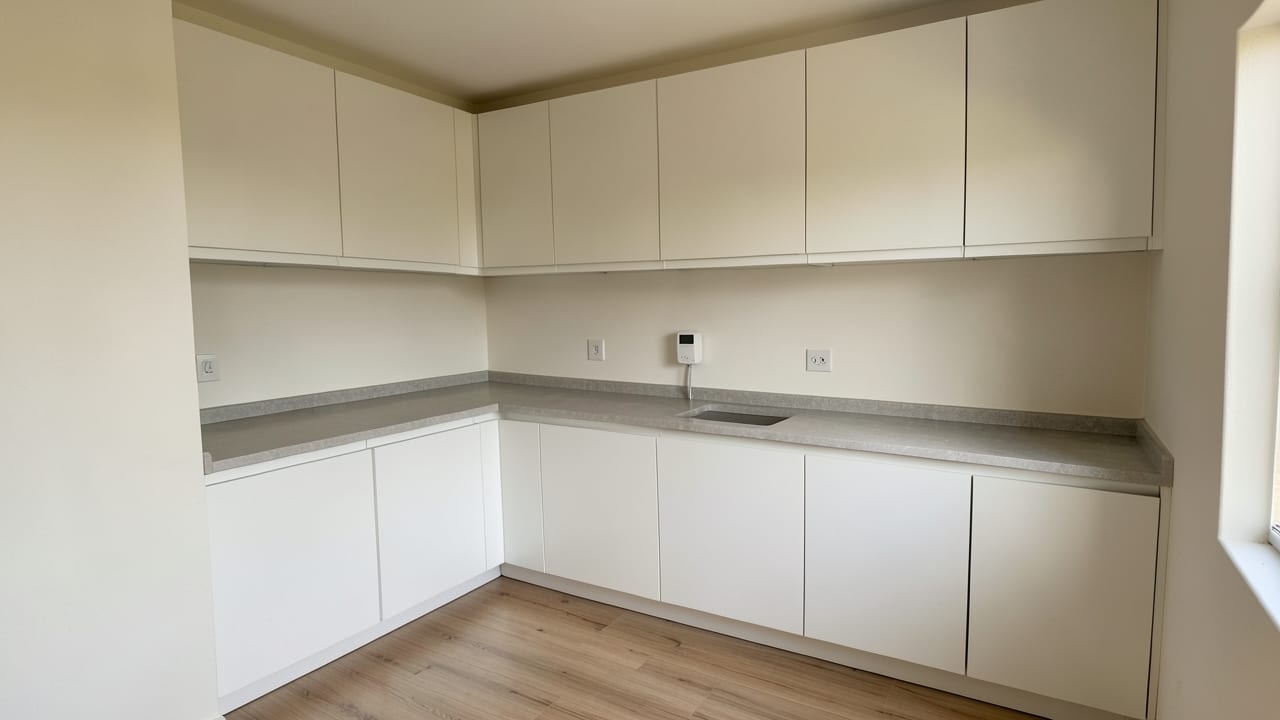
Move-In Mold Assessment
Professional inspection and assessment of mold presence before moving into a property.
A move-in mold assessment in Quincy, MA, helps you identify hidden or visible mold growth before moving into a new home. Trained inspectors examine walls, ceilings, basements, and HVAC systems to detect moisture sources and potential contamination, ensuring you understand the scope of any issues upfront.
This service is key to preventing long-term health risks and costly remediation down the line.
We also handle Plaster Mold Remediation and Ceiling Mold Removal for Quincy properties.
Why you might need this service
Mold often hides behind walls, under floors, or inside HVAC systems until it becomes a larger problem. Signs like a persistent musty smell, visible staining, or unexplained health symptoms—such as sneezing or headaches—can indicate mold growth.
Even if you don’t see it, moisture from leaks, poor ventilation, or high humidity creates the perfect conditions for mold to thrive.
A move-in assessment is particularly important if the home has a history of water damage, flooding, or poor maintenance. Without addressing the source of moisture, mold can return even after remediation. This service helps you make an informed decision before committing to a home purchase or lease.
Signs a Move-In Mold Assessment Is Needed
- A persistent musty or earthy smell in closets, bathrooms, or crawl spaces that doesn’t fade with airing out.
- Visible mold growth—black, green, brown, or dark speckles—on drywall, grout, window frames, or under carpets.
- A history of leaks, floods, or poor drainage in the home, even if the damage was repaired.
- Health symptoms (sneezing, headaches, itchy eyes) that improve when you leave a specific room.
- Condensation or dampness on windows, walls, or pipes, especially in basements or bathrooms.
What the assessment covers
A thorough move-in mold assessment includes a visual inspection, moisture detection, air and surface sampling, and lab analysis. The inspector maps affected areas, identifies moisture sources, and documents findings in a written report.
This report serves as a roadmap for remediation and helps you understand the full scope of any issues before moving in.
Unlike quick tests, this assessment uses third-party lab analysis to confirm mold species and spore counts. The goal is to give you accurate, actionable information—not just a snapshot of what’s present, but why it’s there and how to prevent it from returning.
What to expect after the assessment
After the inspection, you’ll receive a detailed report outlining affected areas, moisture sources, and recommended next steps. This document is essential for hiring a remediation contractor and ensures compliance with Massachusetts regulations for mold work. Without addressing the moisture source, remediation alone may not solve the problem long-term.
If mold is found, the report will help you prioritize repairs and decide whether to proceed with remediation. Even if no mold is detected, the assessment can reveal hidden moisture issues that, if left unchecked, could lead to future problems.
Maintaining indoor humidity below 50% (measured with a hygrometer) and fixing leaks promptly are the best ways to prevent mold. Running bathroom exhaust fans for 20–30 minutes after showers and inspecting crawl spaces seasonally can catch issues early.
How a move-in mold assessment works
This process ensures you get a complete picture of mold risks in your new home.
- 1Visual and Moisture Inspection
A trained inspector walks through the property, checking for visible mold, staining, and musty odors. They use a moisture meter and thermal imaging to detect hidden dampness in walls, ceilings, and floors.
- 2Air and Surface Sampling
Samples are collected from suspect areas and one unaffected room (as a control) to compare lab results. This step helps identify the type and concentration of mold spores present.
- 3Lab Analysis
Samples are sent to an independent, accredited lab for testing. Results typically return in 2–5 business days and confirm mold species and spore levels.
- 4Moisture Source Diagnosis
The inspector traces moisture back to its origin—such as roof leaks, plumbing issues, or poor grading—to determine why mold is growing and how to prevent it from returning.
- 5Written Report
A detailed report is provided, outlining affected areas, moisture sources, and recommended actions. This document is used by remediation contractors and ensures compliance with state regulations.
Frequently asked questions
Can mold grow in a home even if I don’t see it?
Yes. Mold often hides behind walls, under floors, or inside HVAC systems. A move-in assessment uses tools like moisture meters and thermal imaging to detect hidden growth before it becomes a larger problem.
What happens if mold is found during the assessment?
You’ll receive a report detailing affected areas and moisture sources. This helps you decide whether to proceed with remediation and ensures any work is done correctly to prevent future issues.
Is this assessment required by law in Massachusetts?
No, but it’s highly recommended before moving into a home with potential mold risks. Massachusetts requires contractors performing mold remediation (as part of repairs over $1,000) to be registered with the state, but there’s no legal requirement for pre-move-in assessments.
How long does it take to get results from the lab?
Lab results typically return in 2–5 business days, depending on the testing facility. The inspector will provide a timeline during the assessment.
Where Quincy sits, and what the Census lists nearby
Quincy sits in Massachusetts, and the closest places listed in the U.S. Census Gazetteer are Braintree Town (3.8 miles south), Milton (4 miles west), Weymouth Town (5 miles southeast), Boston (5.4 miles north). Within 25 miles of Quincy the same source lists 75 distinct incorporated places and census-designated places.
Those figures matter for move-in mold assessment because they are straight-line distances between Census coordinate points: road mileage between Quincy and Braintree Town runs longer than the 3.8 miles shown, which is why quotes for the same job differ between towns that look close together on a map.
Source: U.S. Census Bureau Gazetteer.
See Milton, MA for more, or see our full crew's Quincy services across the area for our complete lineup.
Ready to get started?
Talk to a local mold remediation pro in Quincy — get a written quote.
Other Mold Remediation Services in Quincy
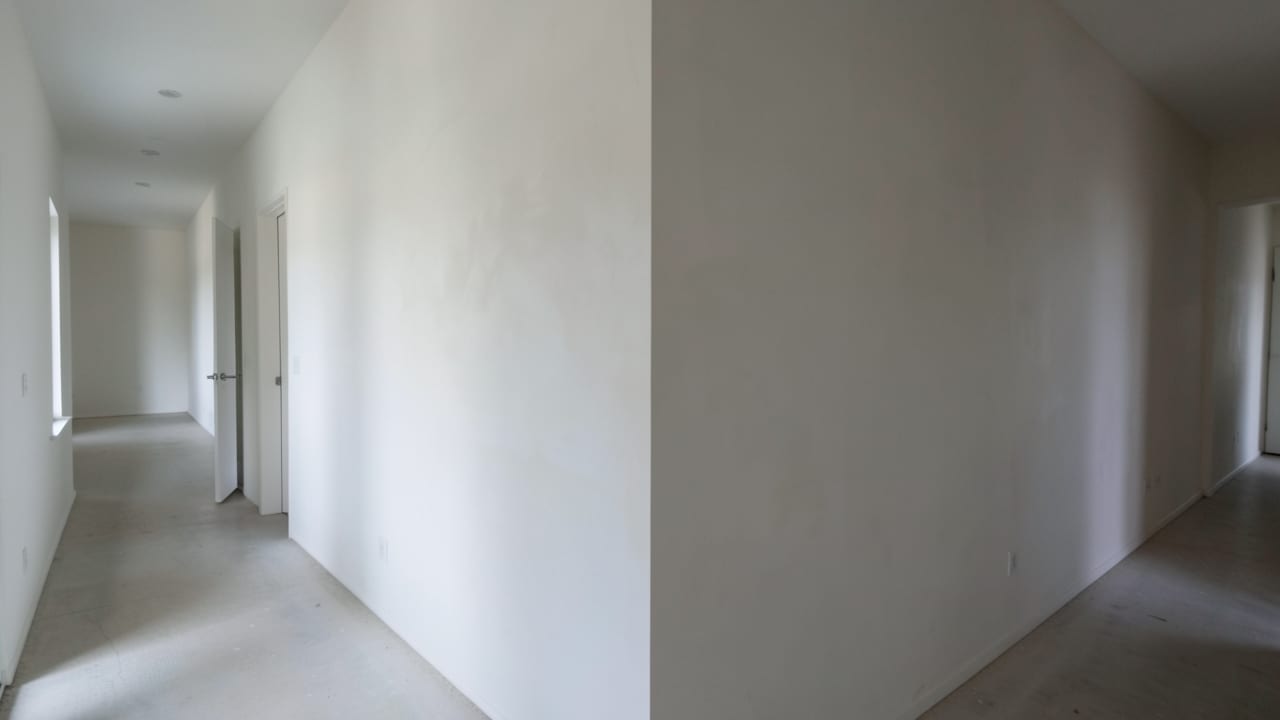
Plaster Mold Remediation in Quincy, MA
Professional removal and treatment of mold from plaster surfaces in homes.
Learn More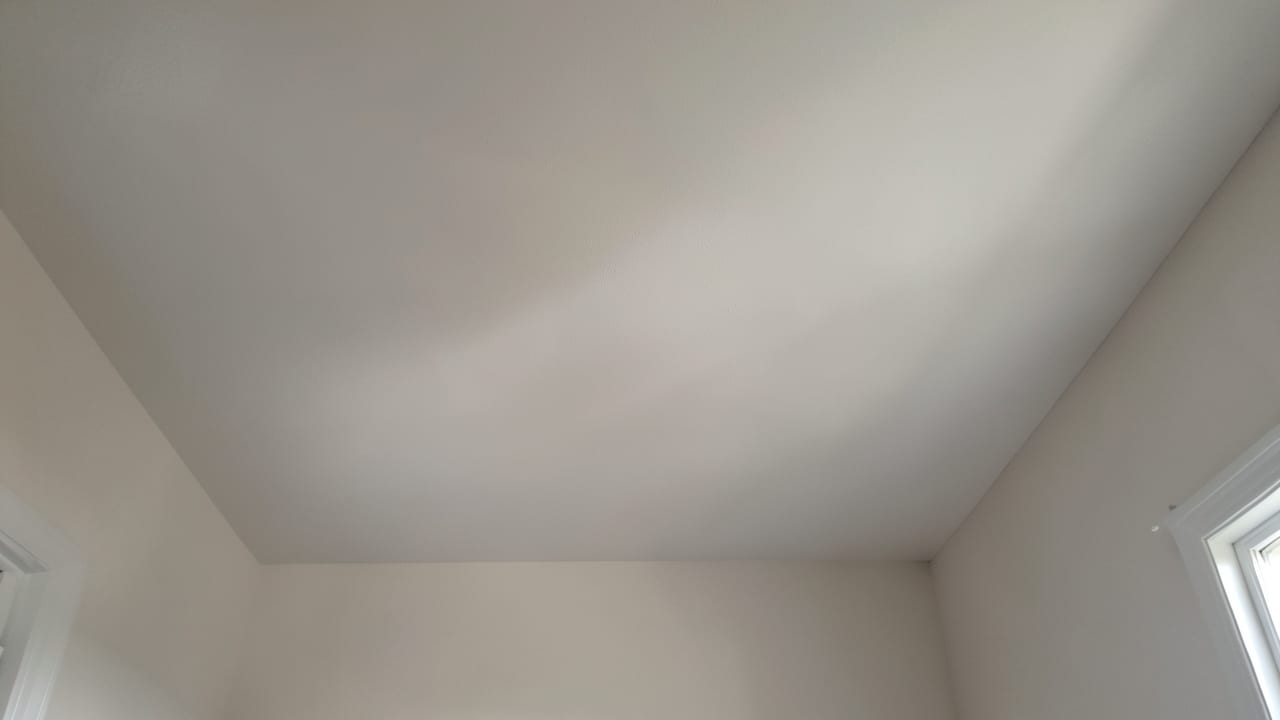
Ceiling Mold Removal in Quincy, MA
Professional removal of mold growth from ceilings, including containment and cleanup.
Learn More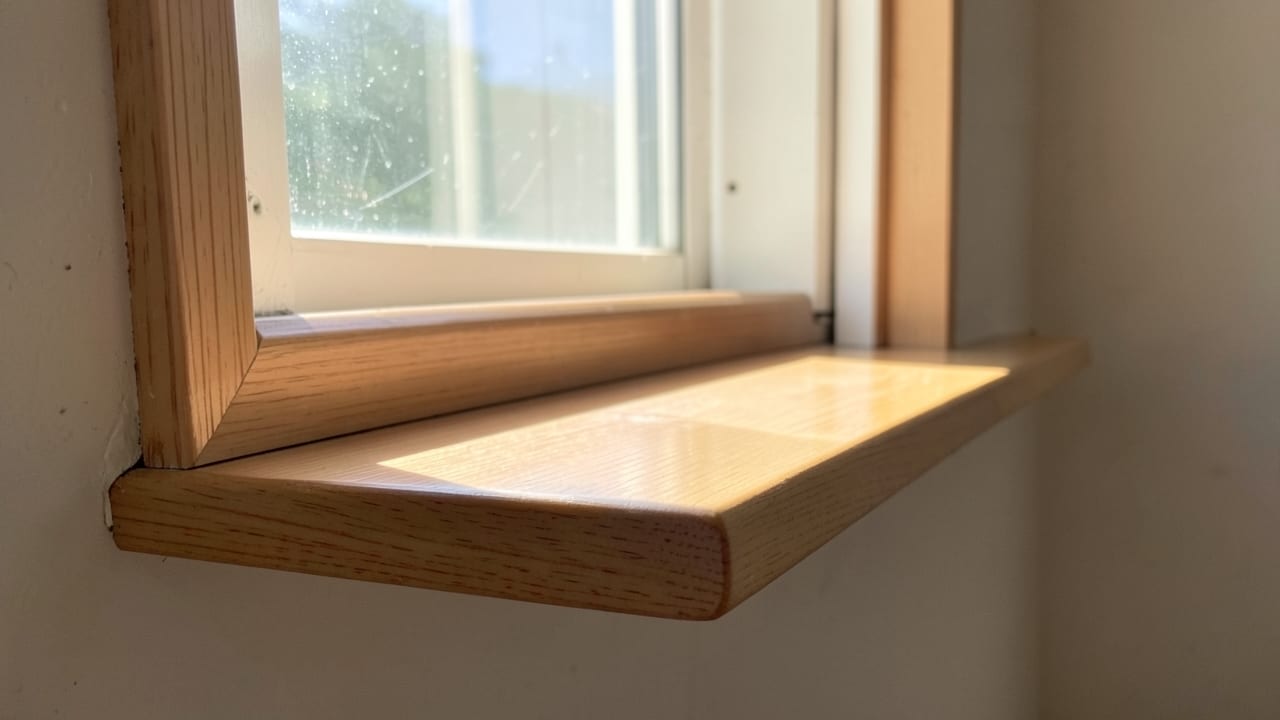
Window Sill Mold Cleanup in Quincy, MA
Professional cleanup of mold growth on window sills to restore a healthy indoor environment.
Learn More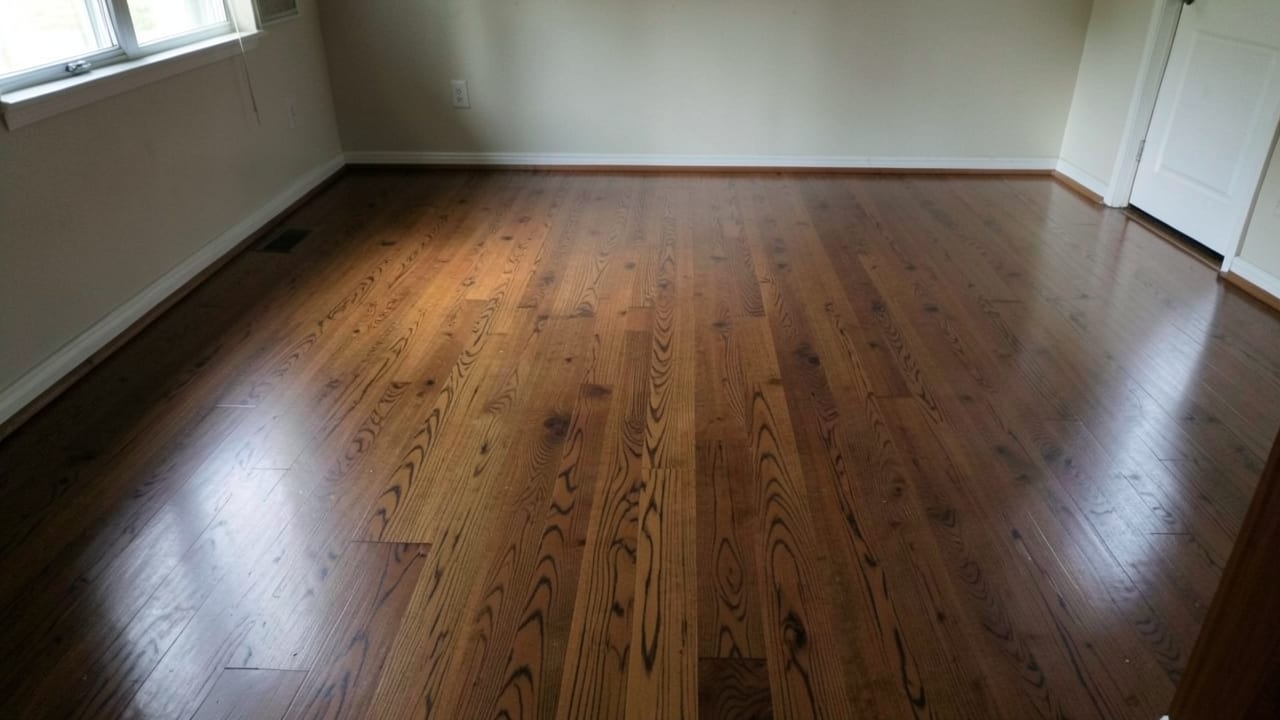
Flood Damage Mold Remediation in Quincy, MA
Professional mold removal and remediation after flood damage in homes.
Learn More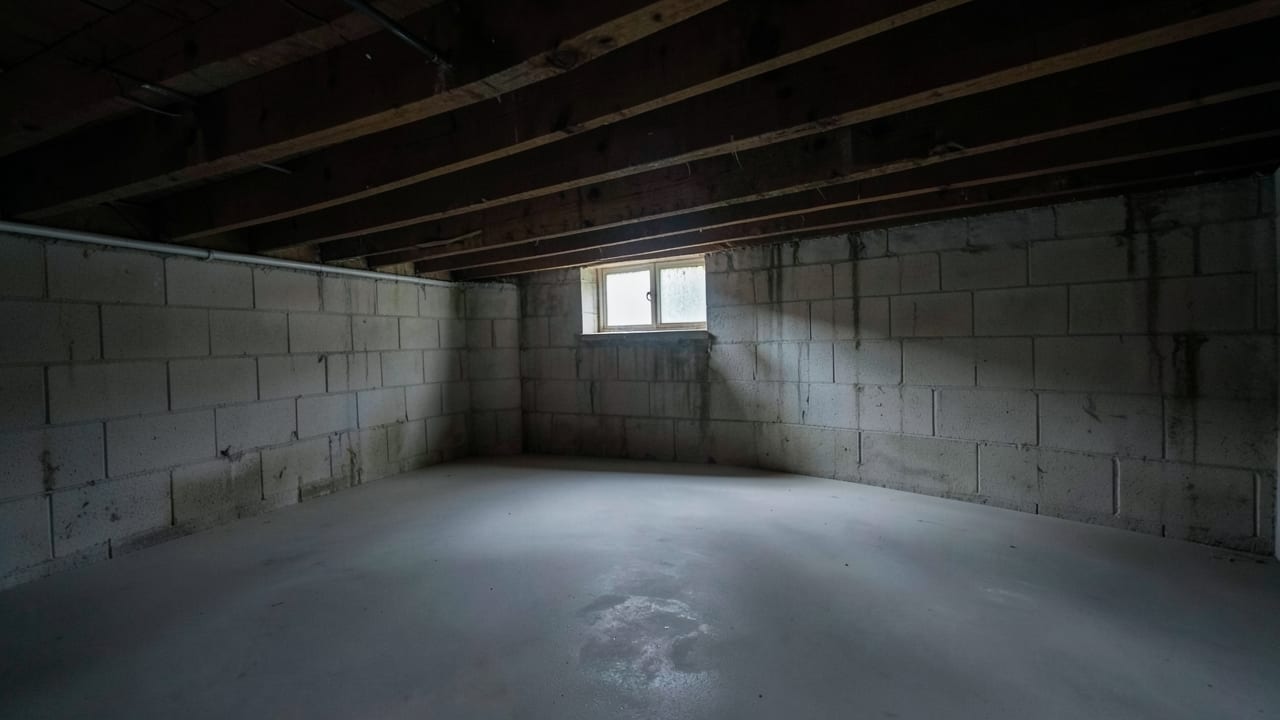
Sewer Backup Mold Cleanup in Quincy, MA
Professional cleanup of mold caused by sewer backups in homes.
Learn More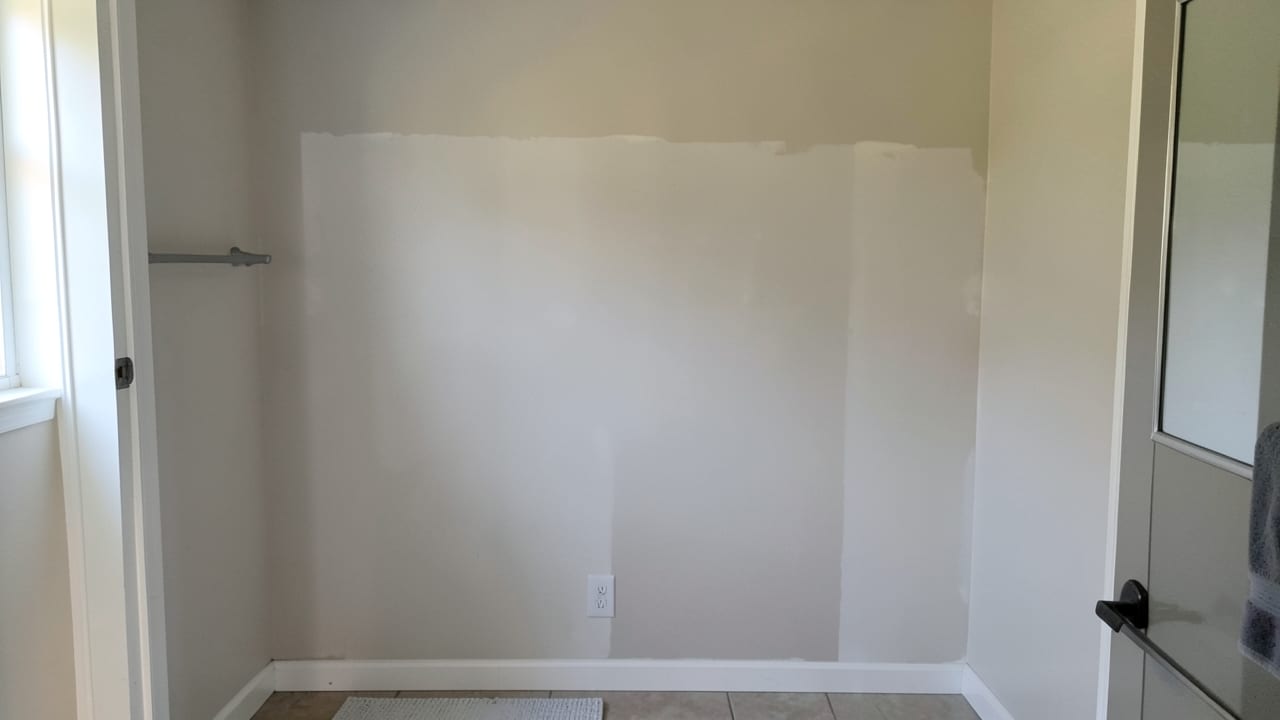
Pipe Leak Mold Removal in Quincy, MA
Professional removal of mold caused by pipe leaks in homes.
Learn MoreCommon Questions About Mold Remediation in Quincy
Everything you need to know about mold remediation services in Quincy
How much does Move-In Mold Assessment typically cost in Quincy, MA?
Why does Quincy, MA's humidity make mold a bigger risk than in drier regions?
Does homeowners insurance typically cover mold remediation?
Is black mold actually more dangerous than other mold types?
How long does a typical mold remediation job take?
Is it safe to stay in the home during mold remediation?
Need Mold Remediation in Quincy?
Connect with local providers in Quincy for a detailed quote.
⏰ We answer your call • Serving all of Quincy and surrounding areas